
West Nile Region, Uganda
Uganda’s West Nile sits in the far north-west of the country, framed by the Nile River, DR Congo, and South Sudan. It’s remote, tough, and deeply shaped by movement, survival, and history.
For centuries, this region sat along major trade routes and was later scarred by slavery and colonial rule. Those eras left deep marks, but they never erased identity. Communities adapted, resisted, and endured.
Today, West Nile is home to proud groups such as the Alur, Lugbara, Madi, Kakwa, and Aringa, each with their own language, customs, music, and food. Elders are respected, community comes first, and oral history is still alive.
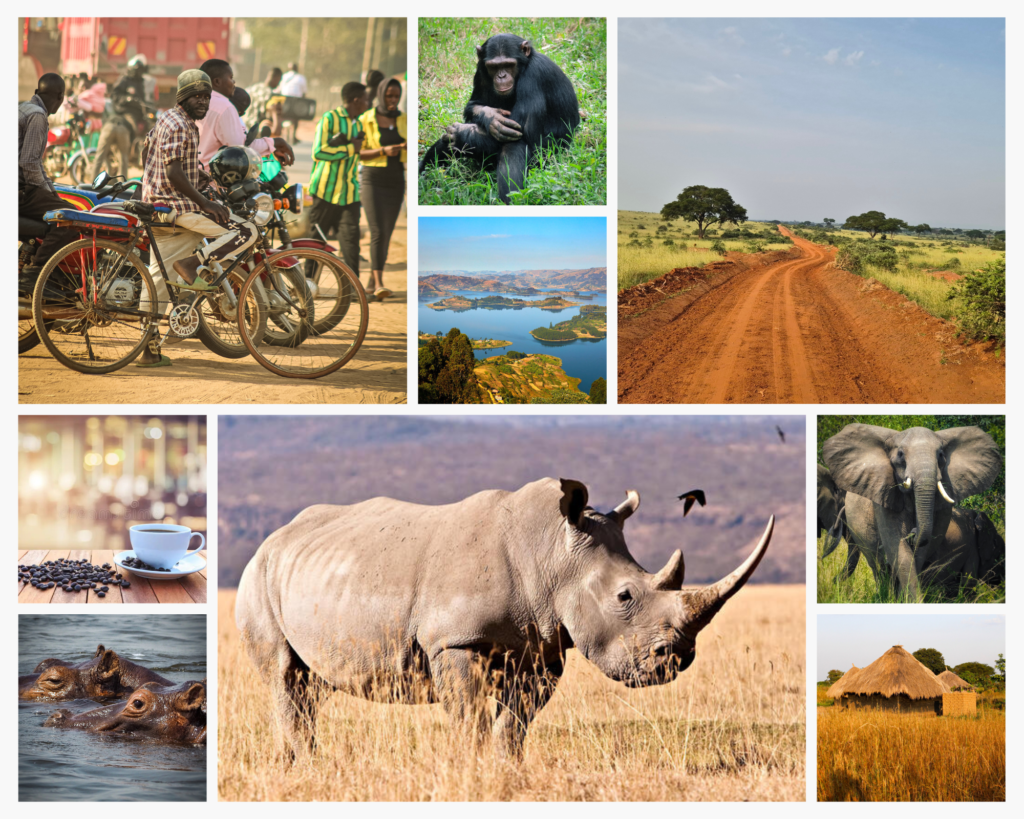
West Nile also holds a quiet but powerful place in natural history.
The region is closely linked to the origins of the white rhino, whose name comes not from color but from a mistranslation of the Afrikaans word “wijd”—meaning wide, referring to its broad mouth. These rhinos once roamed the grasslands of northern Uganda and the Nile Basin in large numbers before poaching and conflict pushed them to the brink.
Today, that story is slowly being rewritten with the reintroduction of rhinos in Ajai Wildlife Reserve, famously used as a hunting playground by U.S. President Theodore Roosevelt, and now, for only a few months, home to 4 white rhinos again as the first step of the full reintroduction plan that will add 22 white rhinos in the next 5 years.
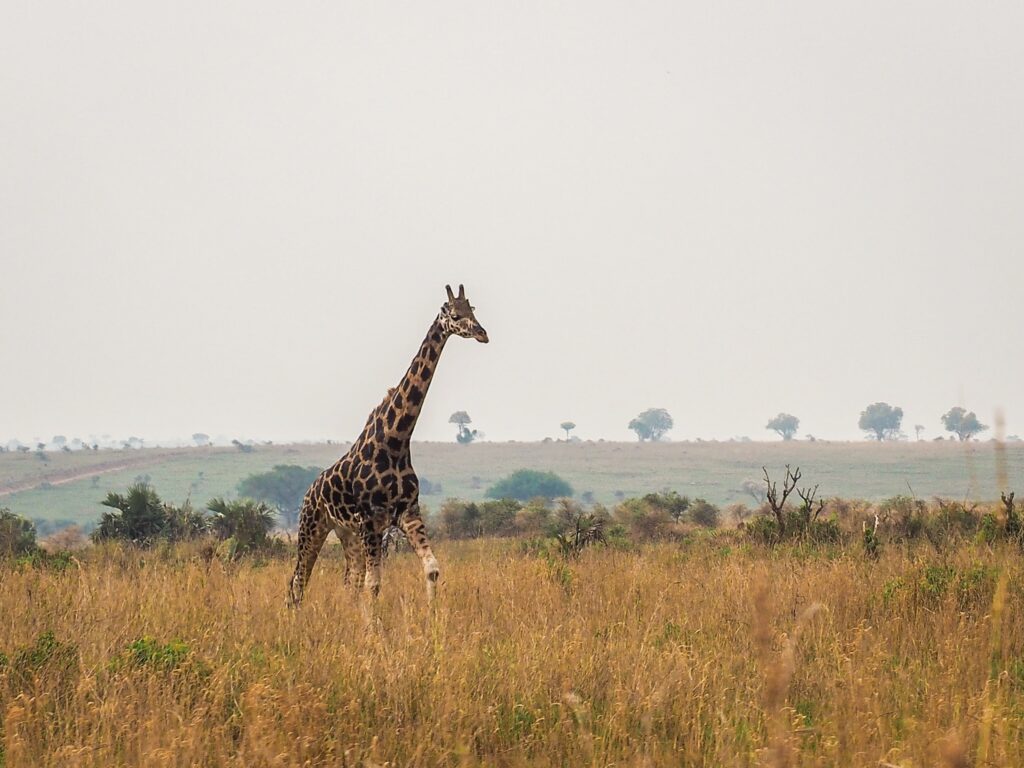
The terrain is raw and varied. Gravel roads wind through farmland, savannah, and bush before dropping toward the Victoria Nile. In nearby Murchison Falls National Park, all of the Big Five—lion, leopard, elephant, buffalo, and rhino—are present, roaming one of Africa’s most dramatic ecosystems where the river is forced through a narrow gorge before exploding downstream.
Faith plays a central role in daily life here. West Nile is deeply religious, mainly Christian and Muslim, with strong values around respect, modesty, and community. People are genuinely welcoming, curious, and generous—if you meet them with humility.
West Nile doesn’t try to impress. It’s honest, unpolished, and demanding. Ride through it with respect, and it will leave a mark long after the dust is gone.
What about the rest of the Country?
Uganda has an incredible mix of natural beauty and unforgettable experiences packed into one country. You can come face to face with mountain gorillas in the ancient forests of Bwindi Impenetrable National Park, home to almost half of the world’s remaining mountain gorillas and one of Africa’s most famous wildlife encounters.
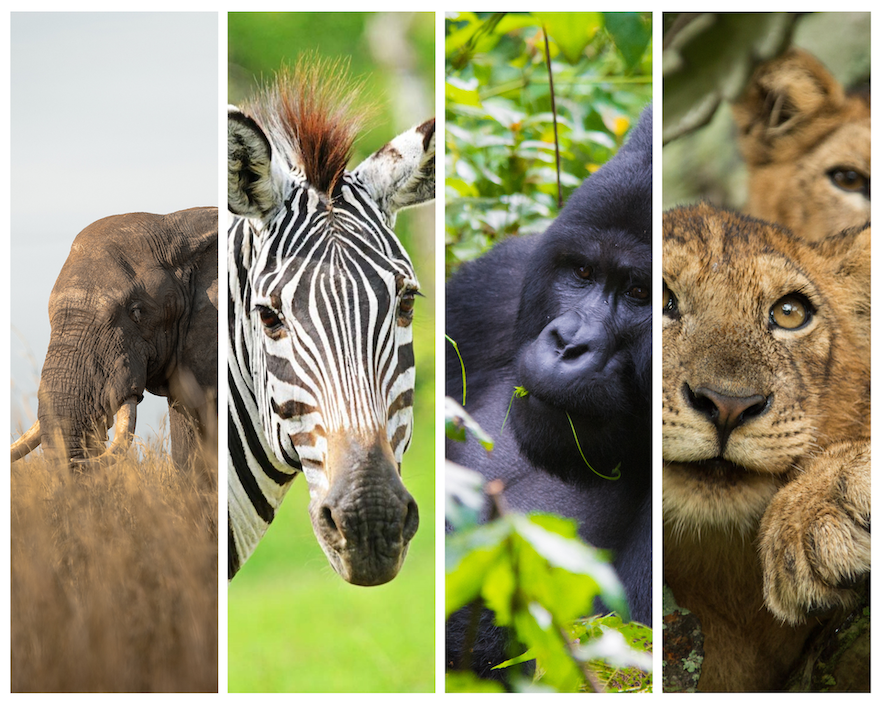
In Kibale National Park, dense tropical rainforest offers the chance to track chimpanzees and spot an impressive variety of primates and birdlife. For classic safari experiences, Queen Elizabeth National Park combines open savannah, crater lakes, and boat cruises on the Kazinga Channel, where elephants, buffalo, and hippos gather in huge numbers. At the same time, the Ishasha sector is known for its rare tree-climbing lions.
Murchison Falls National Park showcases one of the country’s greatest natural spectacles, where the Nile forces its way through a narrow 7-metre gorge before crashing into the river below.
Add in the dramatic peaks of the Rwenzori Mountains, crater lakes, waterfalls, and vibrant local culture, and Uganda offers adventure and scenery at every turn.
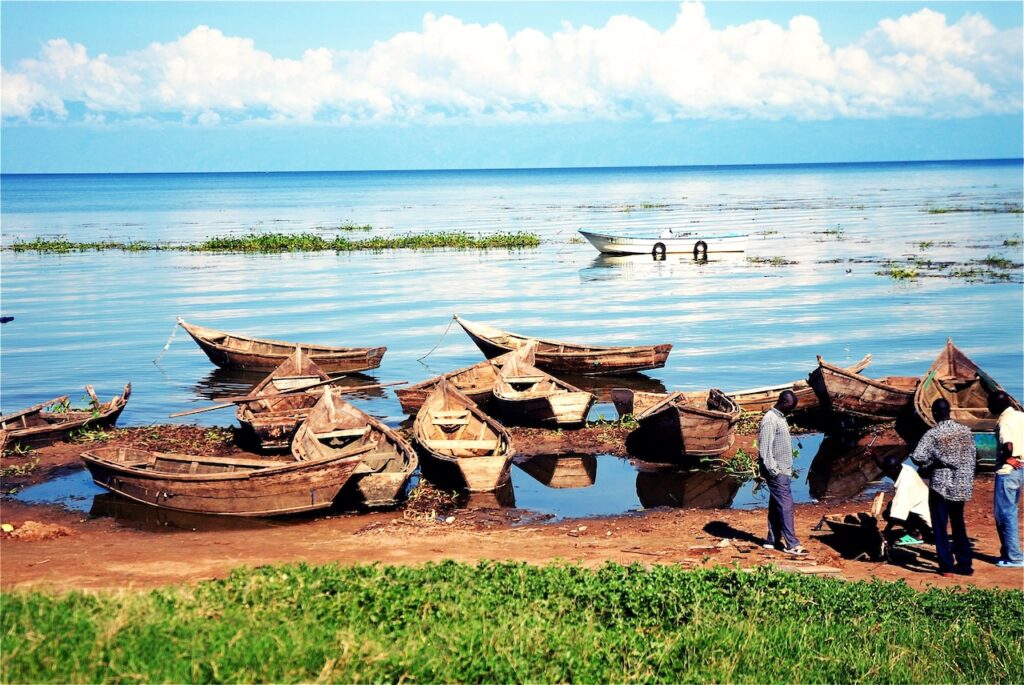
In Jinja, you can visit the spot where the River Nile begins, one of the world’s most famous rivers, and enjoy everything from rafting and kayaking to relaxing lakeside adventures.
In Kampala, Uganda’s lively capital, you can soak up the city’s energy through the bustling (often described as sensory overload) Owino Market, vibrant nightlife, great local food, and a growing arts scene, while visiting highlights such as Kasubi Tombs, Uganda Museum, the iconic Old Taxi Park, and the panoramic views from the National Mosque.